Follow Me On Social Media!
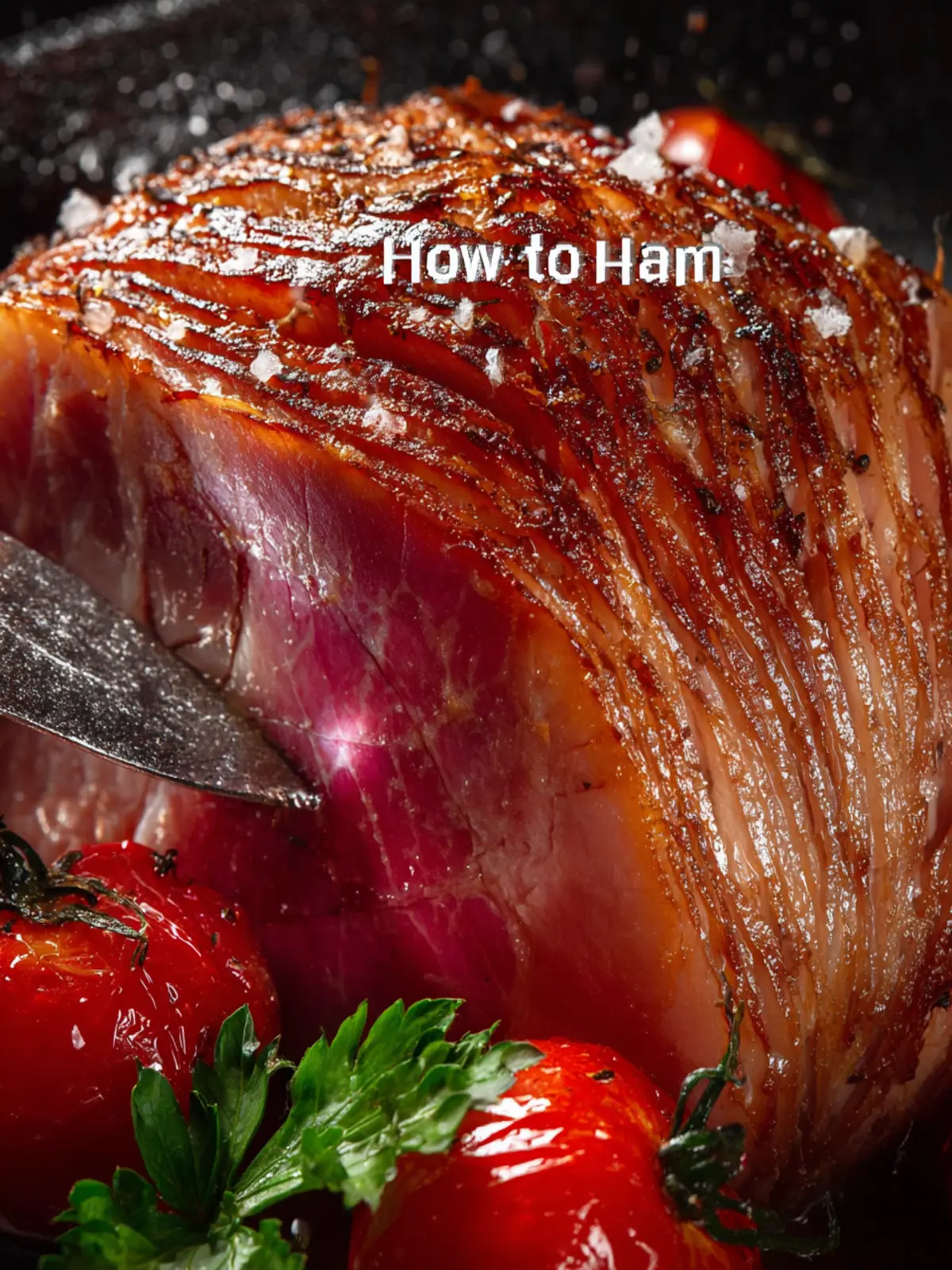
How to Cook a Ham: Juicy, Flavor-Packed Perfection Awaits

Introduction to Cooking a Ham
Cooking a ham has a unique way of transforming an ordinary gathering into a heartwarming feast filled with joy and cherished memories. Picture the aroma of a beautifully glazed ham wafting through your home, instantly bringing everyone together as they gather around the dining table. Whether you’re celebrating a holiday, hosting a special occasion, or simply enjoying a weekend meal with friends, knowing how to cook a ham is an invaluable skill that brings people closer.
One of the standout features of ham is its impressive versatility. With a variety of glazes—from tangy maple to savory herb-infused options—every bite can offer a different flavor experience. If you’ve ever been to a potluck or a family reunion, you’ll know how the mere presence of a ham can make the event feel like a true celebration. Not only do people gather to eat, but they also share stories, laughter, and the comfort of being together.
Moreover, cooking a ham can be surprisingly straightforward, making it an ideal choice for young professionals who may be short on time yet eager to impress their guests. Imagine being able to serve a delicious, centerpiece-worthy dish without spending hours in the kitchen! With just a few simple ingredients and careful attention to cooking times, you can create a culinary masterpiece that will have everyone raving.
Why Cooking a Ham is Perfect for Home Gatherings
Ham is more than just a delicious meal; it symbolizes togetherness and warmth. Here’s why it’s such an ideal dish for gatherings:
- Feed a Crowd: One ham can serve a large number of people, making it ideal for parties and family dinners.
- Time-Efficient: Once prepared, it requires minimal attention, allowing you to focus on enjoying your time with guests.
- Flavorful Options: From sweet glazes to savory spices, you can customize the flavor to suit the tastes of your friends and family.
- Leftover Potential: The best part? Ham leftovers can turn into delightful sandwiches, soups, and casseroles!
So, as we dive into the intricacies of how to cook a ham, prepare to embrace the warmth and flavors that this dish brings to your table.
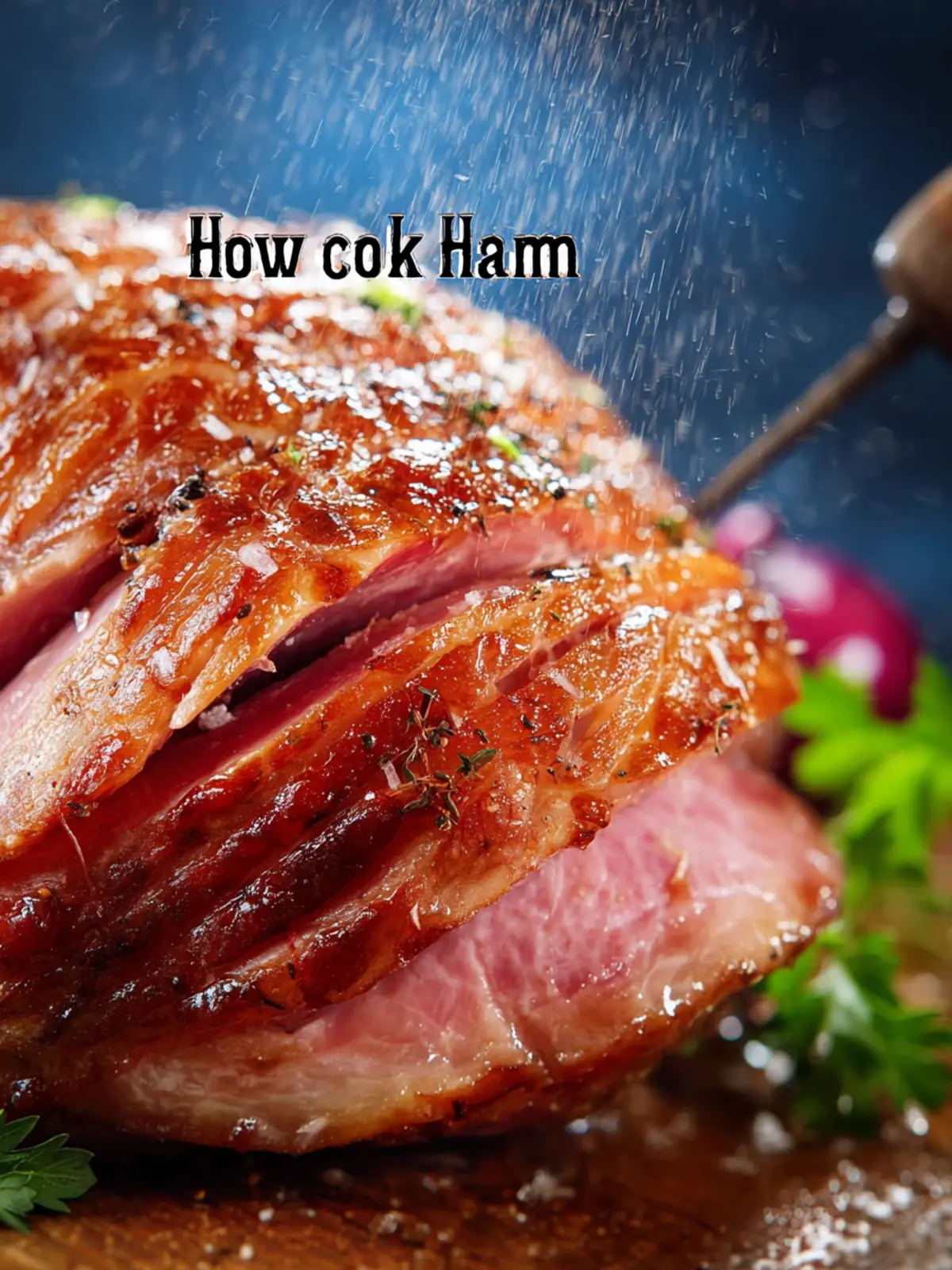
Key Ingredients for Cooking a Ham
Cooking a ham can feel like a daunting task, but it transforms your kitchen into the centerpiece of flavor and warmth. The right ingredients make all the difference in creating a delicious dish that will impress your friends and family.
-
Ham: The star of the show, of course! A bone-in or boneless ham works well, but bone-in typically delivers a richer flavor and a more succulent texture. Opt for a high-quality cut to ensure your ham shines at the dinner table.
-
Glaze: A sweet glaze really elevates a ham. My favorite blend includes brown sugar, honey, and Dijon mustard. This combination creates a harmoniously sweet and tangy coating that caramelizes beautifully in the oven.
-
Spices: Don’t forget your spices! A mix of cloves, cinnamon, and black pepper can enhance the flavor profile of your ham. I love adding whole cloves to puncture the surface for added aromatic notes.
-
Liquid: A splash of liquid like apple juice or stock can keep your ham moist during cooking. It also infuses additional flavor as it bakes.
Selecting these key ingredients will guide you beautifully through the steps of how to cook a ham. Enjoy the process, and watch as your creation becomes a culinary masterpiece!
Why You’ll Love This Recipe
Learning how to cook a ham opens up a world of flavor and warmth that is perfect for gatherings or cozy family dinners. Picture this: a beautifully glazed ham on your dining table, filling the air with a mouthwatering aroma that beckons everyone to come together and feast.
Not only is this recipe simple to execute, but it’s also highly rewarding. Each bite reveals a combination of juicy, tender meat and a sweet, sticky glaze that will have your guests raving for days.
Here’s why you shouldn’t wait to try this:
-
Versatile: Whether it’s a holiday celebration, Sunday brunch, or just a weeknight meal, this ham fits seamlessly into any occasion. Serve it with some roasted vegetables or a fresh salad, and you have a well-rounded meal.
-
Leftovers Galore: One of the best rewards of learning how to cook a ham is the delicious leftovers. Make ham sandwiches, omelets, or even ham and bean soup the next day!
-
Customizable Flavors: You can easily tailor the glaze to suit your taste preferences—think maple syrup, honey, or even a touch of Dijon mustard for a tangy twist.
In every slice, you’ll discover why cooking a ham can elevate not just a meal but an entire dining experience. Dive into this recipe and enjoy every savory moment!
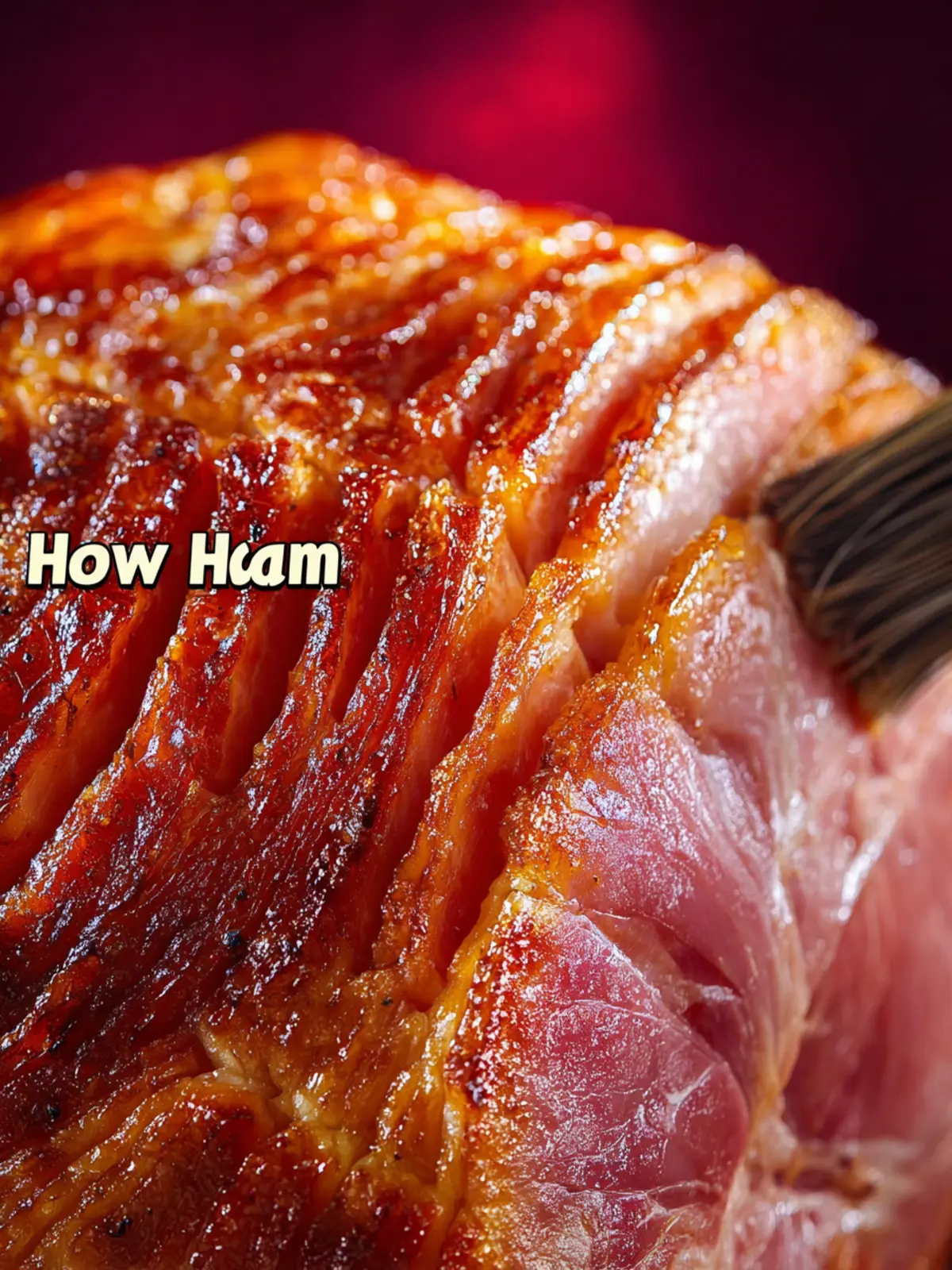
Variations on Cooking a Ham
Cooking a ham can seem traditional, but exploring different variations can transform it into an exciting centerpiece for any meal. By knowing how to cook a ham in unique ways, you can cater to any occasion or preferred flavor profile.
Glazing Options
A sweet glaze can bring life to your ham. Here are a few ideas:
- Brown Sugar and Maple: This classic combination offers the perfect balance of sweetness, with a rich, caramelized finish.
- Honey and Mustard: A blend of spicy and sweet, this glaze gives your ham a delightful kick.
- Pineapple and Clove: Infuse tropical notes through crushed pineapple combined with cloves for an aromatic flavor.
Cooking Methods
Each cooking method yields different flavors and textures:
- Baking: This is the most traditional approach, allowing for even cooking and delicious, caramelized surface.
- Slow Cooking: Set it and forget it! This method ensures your ham stays moist, as it can absorb the rich flavors of your glaze over time.
- Smoking: If you’re feeling adventurous, smoking your ham infuses it with a deep, savory flavor that’s hard to beat.
Serving Suggestions
Consider pairing your ham with:
- Roasted Vegetables: A side of seasonal veggies adds a splash of color and essential nutrients.
- Creamy Mashed Potatoes: Traditional comfort food always complements ham beautifully.
- Tangy Coleslaw: The crunch and acidity of coleslaw will cut through the richness of the meat, providing balance.
By experimenting with these variations, you’ll discover the perfect way to cook a ham that suits your taste and impresses your guests!
Cooking Tips and Notes for a Perfect Ham
When you learn how to cook a ham, you’re not just preparing a meal; you’re creating a centerpiece for gatherings, a memory-maker for holidays, and a delicious dish that brings people together. So here are some invaluable tips to elevate your ham cooking experience.
Selecting Your Ham
- Quality Matters: Always choose a high-quality ham. If possible, select a bone-in ham for added flavor and moisture.
- Size Consideration: Plan for about 1/2 pound per person. This ensures everyone has more than enough to enjoy, with tasty leftovers to spare.
The Right Baking Temperature
- Low and Slow: Cooking your ham at a lower temperature (around 325°F) helps maintain juiciness while allowing the flavors to meld beautifully. A good rule of thumb is to heat it for about 15-18 minutes per pound.
Glazing Techniques
- Flavor Infusion: Brush your ham with a glaze of honey, brown sugar, mustard, or your favorite ingredients in the last 30 minutes of cooking. This caramelizes the surface, adding depth and sweetness.
- Cover Up: Tent your ham with foil while baking. This will prevent it from drying out, retaining all that succulent flavor.
Basting for Moisture
- Stay Moist: Every 30 minutes, baste your ham with the pan juices or the glaze. This ensures the meat stays moist and flavorful throughout the cooking process.
By applying these friendly and useful tips, you’ll not only learn how to cook a ham but also impress your guests with a dish that tastes as good as it looks.
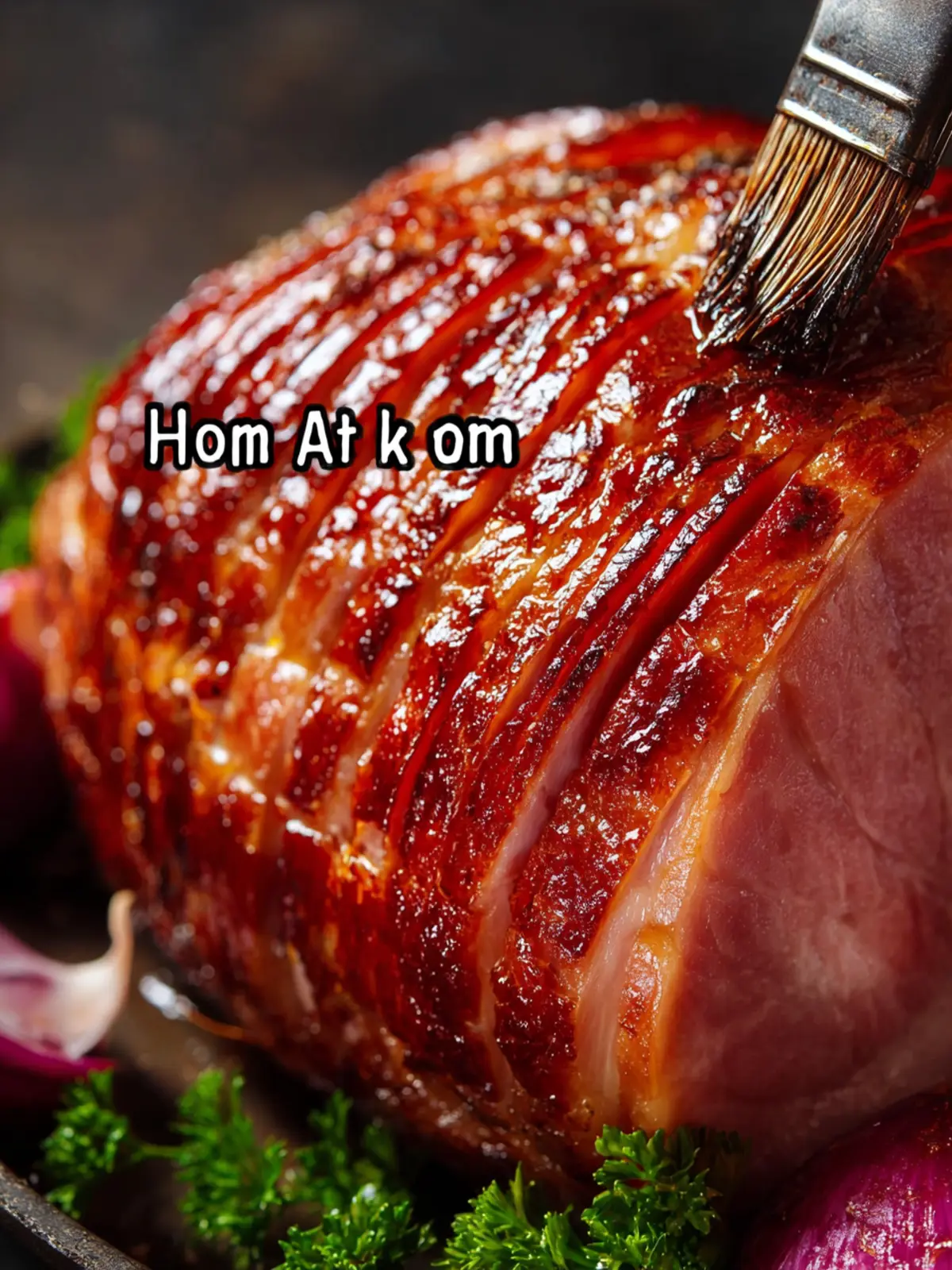
Serving Suggestions for Your Ham
When it comes to how to cook a ham, serving it beautifully is just as important as the cooking process itself. Preparing a ham opens up a world of delicious possibilities that can elevate your meal from good to unforgettable.
Complementary Sides
- Roasted Vegetables: Brighten your plate with seasonal roasted vegetables like carrots, Brussels sprouts, or sweet potatoes tossed in olive oil and herbs. The earthy flavors pair perfectly with the savory taste of ham.
- Creamy Mashed Potatoes: A classic! The buttery richness of mashed potatoes balances the saltiness of the ham beautifully. Don’t forget to drizzle some of the ham’s pan juices on top for extra flavor.
- Tangy Slaw: A refreshing cabbage slaw with a zesty dressing can add a delightful crunch and contrast to the meat’s richness.
Presentation Tips
Plating your ham creatively can make all the difference. Arrange thin slices on a large platter and garnish with fresh herbs and colorful fruits like oranges or cherries. The visual appeal will invite your guests to dig in and enjoy every bite!
Add these delightful touches, and you’ll be well on your way to creating an extraordinary dining experience.
Time Breakdown for Cooking a Ham
Cooking a ham can be a delightful experience, transforming your kitchen into a warm gathering place filled with inviting aromas. To successfully navigate the how to cook a ham journey, here’s a simple breakdown of the time involved.
Preparation Time
The prep work for cooking a ham usually takes about 20-30 minutes. This includes gathering your ingredients, trimming the ham, and mixing any marinades or spices you plan to use.
Cooking Time
Once your ham is prepped, it typically requires 2 to 3 hours in the oven, depending on its size and whether it’s pre-cooked.
Total Time
Add 30 minutes of prep and your cooking time together, and you’re looking at approximately 2.5 to 3.5 hours total. This timeframe allows you to relax and enjoy the process of creating a memorable meal.
Nutritional Facts for Cooking a Ham
Cooking a ham can be both a delicious and nutritious option for your meals. Understanding the nutritional aspects can help you make informed decisions about this savory dish.
Calories
A typical serving of ham contains approximately 250 calories. This makes it a satisfying choice without going overboard on your caloric intake.
Protein
Ham is a fantastic source of protein, providing around 20 grams per serving. It’s an excellent way to fuel your body, especially after a long day.
Sodium
On the other hand, be mindful of its sodium content, which can reach up to 1,000 milligrams per serving. If you’re watching your salt intake, consider opting for low-sodium ham varieties.
By keeping these nutritional facts in mind, you’ll not only enjoy a tasty meal but also maintain a balanced diet.
FAQs about Cooking a Ham
When you embark on the journey of how to cook a ham, you’ll undoubtedly have questions. Ham is a delightful centerpiece for meals, but many home cooks aren’t sure where to start. Here are some frequently asked questions to guide you through the process.
Can I cook a ham from scratch?
Absolutely! Cooking a ham from scratch typically involves curing a fresh ham, which can be a time-consuming process. Most people opt for pre-cooked hams available at supermarkets. However, if you’re up for a culinary adventure and want to create your own from a raw ham, you can either cure it yourself or talk to a local butcher—just be prepared for some waiting time as the curing process can take weeks!
How do I know when my ham is done?
To determine if your ham is properly cooked, you’ll want to use an instant-read meat thermometer. For a fully cooked ham, aim for an internal temperature of 140°F. If you’re cooking a raw ham, the target temperature should be 145°F, followed by a rest period of at least three minutes. Letting your ham rest allows the juices to redistribute, making it more flavorful and moist.
Can I make this recipe ahead of time?
Yes, one of the great things about ham is that it can be prepared ahead of time. Cook your ham, let it cool, and then wrap it tightly in foil or plastic and refrigerate. You can reheat it in the oven when you’re ready to serve. This makes it an excellent option for holiday gatherings or busy weeknight dinners since you can enjoy more time with your guests or family!
Conclusion on Cooking a Ham
Cooking a ham can be a delightful culinary experience that fills your kitchen with warmth and enticing aromas. As you reflect on how to cook a ham perfectly, remember that patience is key. Allow it to reach that golden-brown hue, ensuring the flavors meld beautifully.
Serve it as the centerpiece at your gatherings, paired with sides that complement its savory charm. Don’t hesitate to experiment with glazes or marinades to make your dish uniquely yours. Finally, enjoy every bite and share stories around the table, creating lasting memories with every succulent slice. Happy cooking!
Print
Honey Glazed Ham
- Total Time: 2 hours 30 minutes
- Yield: 12 servings 1x
Description
This honey glazed ham is a delicious centerpiece for any holiday meal, combining sweet and savory flavors.
Ingredients
Scale
- 10 pounds fully cooked spiral sliced bone-in ham (weight is approximate)
- 1 cup orange juice
- 1 cup ginger ale
- 1/2 cup maple syrup
- 1/2 cup honey
- 1/2 cup brown sugar
- 2 tablespoons dijon mustard
- 1/2 teaspoon ground black pepper
Instructions
- Remove the ham from the fridge 1 hour before cooking. Preheat the oven to 350ºF.
- Place the ham cut side up in a large roasting pan. Pour the orange juice and ginger ale overtop the ham.
- Cover the pan tightly with aluminum foil and bake for 20 minutes.
- In a small bowl, combine the syrup, honey, sugar, mustard and pepper to make the simple glaze. Mix well.
- Baste the surface of the ham with juices and brush with ham glaze. Bake again for 20 minutes.
- Continue baking the ham, basting the outside of the ham with the honey glaze every 15 minutes until the internal temperature of the ham reaches 140 degrees Fahrenheit. Test with an internal probe thermometer.
- The cook time is about 10-15 minutes per pound of fully cooked ham. Plan for about 90-120 minutes of cooking for a ham, depending on the size of ham you have.
- Remove the ham from the oven and allow it to rest covered for 10-15 minutes. Baste with the remaining glaze right before serving.
Notes
- This ham serves as a great main dish for festive gatherings.
- Leftovers can be stored in the refrigerator and used for sandwiches or salads.
- Prep Time: 1 hour
- Cook Time: 90 minutes
- Category: Main Dish
- Method: Baking
- Cuisine: American
Nutrition
- Serving Size: 1 slice
- Calories: 250
- Sugar: 18g
- Sodium: 900mg
- Fat: 12g
- Saturated Fat: 4g
- Unsaturated Fat: 6g
- Trans Fat: 0g
- Carbohydrates: 16g
- Fiber: 0g
- Protein: 22g
- Cholesterol: 70mg